



Aerial Rigging Fundamentals
Live Zoom classes with Craig Lewis
I now offer this class in two formats: a 3-hour training covering the core fundamentals, and a 6-hour training that also covers advanced pulley systems, more specialized equipment, proscenium theaters and fly systems, liability, waivers, and insurance topics.
3-hour Training
The core fundamentals class: dynamic forces, standards, hardware, types of beams, outdoor rigs, fabric basics, and the main safety topics that I believe every aerialist and studio owner should understand.
6-hour Training
Everything in the 3-hour training, plus rigging in proscenium theaters and fly systems, photo case studies, and a deeper discussion of liability, waivers, and insurance.
Upcoming Class Dates:
- Mon, Sep 14th 1:00 PM EST3-hour Register Now ($65)
- This class starts in less than 23 hour(s).
- Registration closes soon at Mon 9/14 11 AM
- If you are signed up, you will receive an email with the Zoom link no less than 2 hours before class. If you do not see it, check spam first, then contact us at (423) 212-6622.
- Fri, Sep 25th 3:00 PM EST6-hour Register Now ($130)
- Thu, Nov 12th 12:00 PM EST3-hour Register Now ($65)
- Wed, Dec 2nd 12:00 PM EST6-hour Register Now ($130)
- Thu, Jan 21st 9:30 PM EST3-hour Register Now ($65)
- Wed, Feb 10th 12:00 PM EST6-hour Register Now ($130)
- Thu, Apr 1st 9:30 PM EST3-hour Register Now ($65)
- Wed, Apr 21st 12:00 PM EST6-hour Register Now ($130)
This class is a safe place to ask questions, and I teach it in a non-judgemental way for students of all backgrounds and experience levels. There are no stupid questions!
Who this class is for
This class is primarely intended for:
- Aerial students
- Aerial instructors
- Aerial performers
- Aerial studio owners
- Aerial performance company directors
- Aerial program directors
It can also be useful to:
- Riggers
- Stagehands
- Technical directors
- Performers who work at height or with rigging
- People in related fields such as climbing, caving, rescue, structural engineering, arboriculture, vertical access, and shibari
3-hour training details
The 3-hour training is the core fundamentals class. The 6-hour training includes everything below before continuing into the extended material.
Fundamentals
- Static vs dynamic forces and how much force an aerialist can create
- Safety factors and design factors
- ANSI E1.43 2024: Entertainment Technology - Performer Flying Systems
- Breaking strengths vs working load limits
- Recreational vs industrial equipment
- Steel vs aluminum equipment
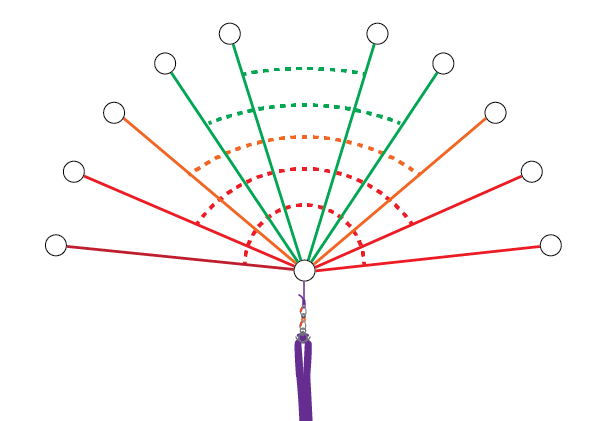
- Basic rigging math for pulleys, bridles, and mechanical advantage
- Weakest Link Analysis
- Inspections
What you can rig from, and a few things you cannot
- Outdoor rigs
- Steel structures including I-beams and OWSJ
- Concrete
- Wood beams
- Residential structures and why they are harder than most people expect
- Trees and why they are a bad idea
- Working with structural engineers
- Performer Flying Winches
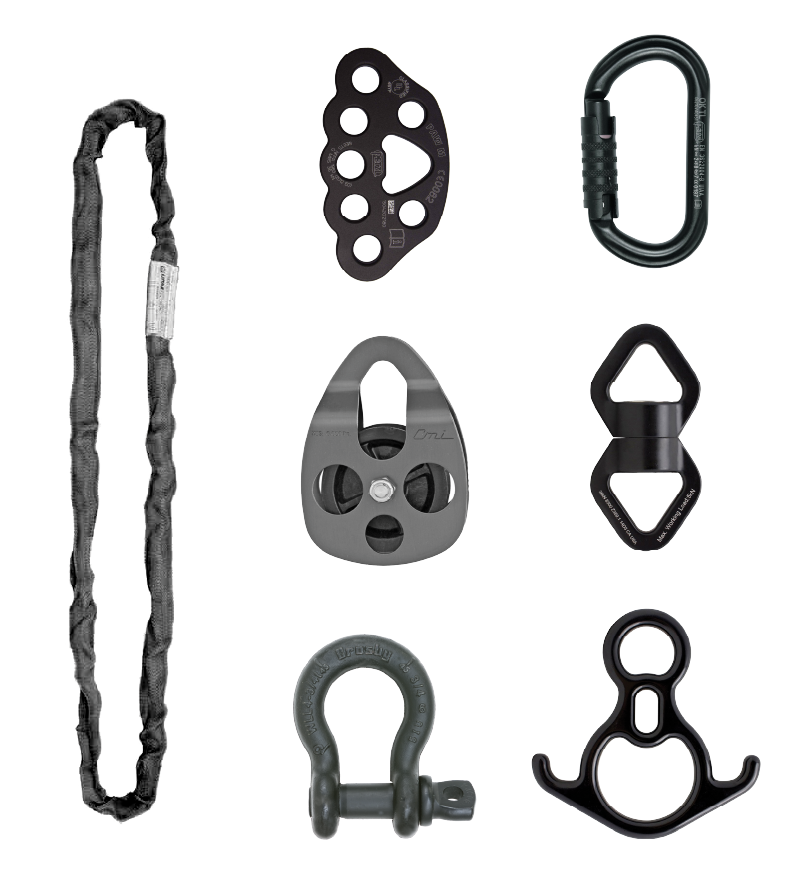
Hardware
- Carabiners
- Swivels
- Rescue-8s
- Shackles
- Polyester Roundslings (AKA "spansets")
- Pulleys
- Rope
- Steel cable
- Chain
- Quicklinks / maillon rapide / deltas
- Beam clamps
- Rigging Plates (including bear paws)
- Dasychains (and why you should not be using them at all)
- For each of the hardware items listed above, we will discuss how to use it correctly, common pitfalls, how it's rated, relevant standards and manufacturer documentation, and what to look for when doing an inspection.
Silks
- How to inspect a silk
- How to tie a silk to a rescue-8 as a silk, hammock, or two-color silk
- How to daisy-chain a silk
Home rigging safety topics
We will end with a discussion of common safety issues that come up surrounding rigging at home. Topics include mats, training alone, learning aerial arts from YouTube, knowing when you are ready to train at home, and more.
Class Schedule and Other Notes:
- I recommend allocating 3.5 hours for this class, as sometimes it can run over slightly. The schedule will be as follows:
- 90 minutes lecture and discussion
- 5 minutes break
- 90 minutes lecture and discussion
- Optional time for further discussion and questions for those who want to stick around for a bit
- A recorded version of this class is available for purchase here on the website, but I strongly recommend the live class over the recording. To purchase the recording, register an account using any of the "Register Now" buttons above (it doesn't matter which date you click), and on the purchase screen you'll see the option to buy the recording for $70. The 6-hour training is not available in recorded format.
6-hour training details
The 6-hour training includes the full 3-hour curriculum above, then continues into the following extended material.
Fun with Pulleys
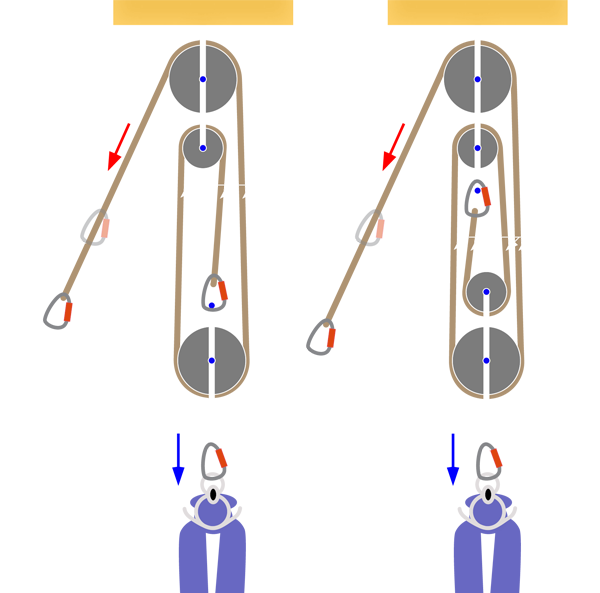
- How to properly reeve a 4:1
- Fiddle blocks
- Pulling lines on a traditional 4:1
- Reverse 4:1 with the MA on the ground anchor
- Hybrid 2:1 loft block, 2:1 ground anchor
- "Tug-O-War" 1:1 systems
- Human counterweights
- Rock Exotica Butterfly Lift
Fly systems
- Prosceniums are a huge topic. This section gives you the basic concepts to understand what you are looking at, and how to approach a conversation about aerial rigging with a theatrical rigger or technical director.
- Types of theaters
- Basic theater jargon
- Single purchase fly systems
- Double purchase fly systems
- Hemp houses
- Options for aerial rigging in proscenium theaters
Hardware
- In the 6-hour training, we cover a few more specialized devices that we don't cover in the 3-hour class:
- Load cells
- Laser tools
- Friction devices
- Ascenders
- Harnesses
- Fall protection equipment
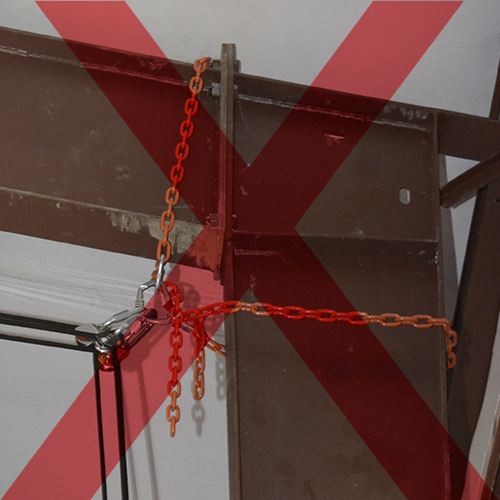
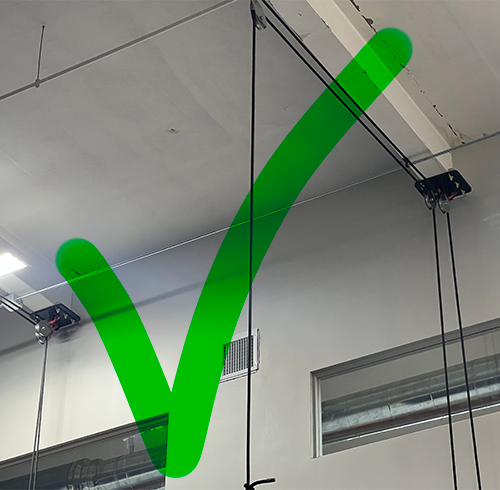
Aerial rigging: the good, the bad, and the ugly
- In this section, we bring everything together by looking at a whole bunch of photos of both good and bad rigging systems.
- With each set of photos, we learn things about why a system was designed in a specific way, what is good or bad about it, and how it might be improved.
- I can take your submissions. If you have rigging photos that you would like to have us look at as a group during this class, send them over and I will include them. Please email photos to [email protected]. We will need you to confirm that you have permission from the owner of the rigging to use the photos.
- Our main focus in this section is aerial studio rigging, but photos of outdoor rigging, proscenium rigging, and similar setups can be considered too.
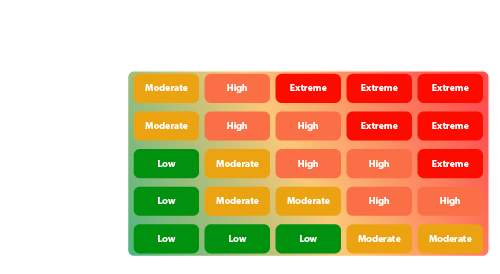
Risk management and liability
- In this section, we discuss some very basic liability topics, including:
- Risk management
- Waivers
- Accident policies
- General liability policies
- Insurance jargon, including Self-Insured Retention (SIR), loss runs, claims-made vs occurrence, and subrogation
- LLCs
- Piercing the corporate veil
- I am not a lawyer, and the information I give in this class should not be construed as, or used in lieu of, actual legal advice from a lawyer in your jurisdiction.
- Much of this section is US-specific. Laws may vary significantly by jurisdiction.
Time permitting, we may watch and discuss a video made by Delbert Hall and myself about destructive strength testing on silks. This video compares rescue-8s, prusiks, and various other termination methods.
Class Schedule and other notes:
- Plan on the class ending 7 hours from the start time including breaks. The schedule will be as follows:
- 90 minutes lecture and discussion
- 5 minutes break
- 90 minutes lecture and discussion
- One hour lunch break
- 90 minutes lecture and discussion
- 5 minutes break
- 90 minutes lecture and discussion
- Optional time for further discussion and questions for those who want to stick around for a bit
- So, if the class begins at 12 PM, it will end at about 7 PM.
- There is NO recorded option for the 6-hour training. This class is available as a live class only.
What this class will and will not teach you
This class WILL teach you to recognize common red flags of unsafe rigging. You WILL be able to do certain basic reconfigurations of existing setups, at least under the supervision of a more experienced rigger. You WILL know how to do routine basic inspections of common equipment.
Even the 6-hour training is only enough to scratch the surface of aerial rigging. You WILL NOT be qualified to configure your own rigging systems from scratch. You WILL NOT be an "aerial rigger" at the end of this class. If you are rigging aerial equipment, you need to hire professionals, including both a professional aerial rigger and a structural engineer. If you are a beginner or intermediate aerialist who wants to rig for yourself at home, you are likely to be disappointed with what you learn in this class. But you WILL learn some things.
Questions are welcome at [email protected]. I can also offer this class as an in-person workshop at your studio.
About the instructor
Craig Lewis was first introduced to aerial arts through San Francisco Circus Center in 2009. Coming from a previous lifelong background in rock climbing and caving, he was immediately drawn to the rigging and safety elements of the art form. He has trained primarily on silks since 2009, completed much of his initial aerial training at Aerial Space in Asheville, and served as a rigging assistant at Asheville Aerial Arts.
In 2013, Craig founded Night Owl Circus Arts (NOCA) in Johnson City, Tennessee. What began as one silks class per week has grown into a large aerial studio with two locations, dozens of weekly classes, and thousands of students served.
Craig has continued to build his rigging knowledge through many avenues. Dr. Delbert Hall has been an important mentor, and Craig has trained extensively under him both as a student and as an assistant on many projects. He has also trained under Todd Spiering, Brett Copes, Jonathon Duell, Eric Rouse, and Todd Gorham. In 2021, Craig spent two months touring with A Magical Cirque Christmas as their acrobatic rigger, overseeing aerialist safety and also acting as a Butterfly Lift Operator in 46 different proscenium theaters around the US.
In 2024 and 2025, Craig served as the Head Rigger for San Francisco Circus Center. He regularly works with IATSE Local 699, and has also worked with IATSE Locals 16 and 197. He is a member of the board of directors for American Circus Educators, where he also serves on the Safety Committee. He served as Festival Site Director for the International Jugglers Association from 2019 through 2023.
During the COVID-19 shutdowns, Craig saw many aerial students trying to rig at home without enough reliable information. That need is what inspired him to create an accessible fundamentals class focused on the practical safety information aerial students, instructors, and studio owners needed most. Since then, he has taught the class to hundreds of students, including live online students from nearly every continent, and has also taught in-person workshops for studios around the US.
Craig also offers rigging consultation for aerial studio owners, along with broader guidance on studio operations. He believes you should always keep learning, and one of his favorite parts of teaching is when a good question pushes everyone in the room, including him, to sharpen their understanding.